Platycerium ridleyi
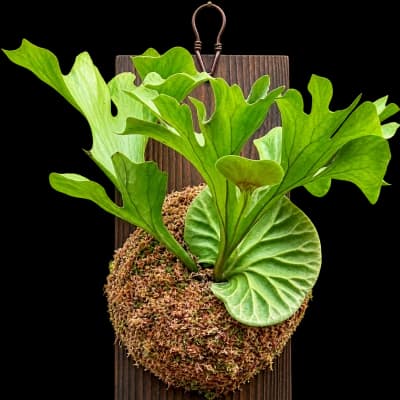
Platycerium ridleyi is admired for its distinctive fertile fronds and unique nest-like growth structure at the center of the plant. With its unusual form and tropical appearance, Ridleyi is a fascinating choice for collectors of Platycerium and epiphytic plants.
₫900,000
Up to 10 per order
2 in stock
Platycerium ridleyi is a species of fern in the Platycerium genus, commonly known as a staghorn fern. It is particularly admired for its unusual foliage and the distinctive nest-like structure formed at the center of the plant.
Unlike many Platycerium species with long, branching fertile fronds, Ridleyi develops a highly characteristic form that makes it an attractive choice for collectors of tropical and epiphytic plants.
Characteristics of Platycerium ridleyi
Platycerium ridleyi is an epiphytic plant that naturally grows attached to tree trunks and branches.
The plant produces two main types of fronds: shield fronds and fertile fronds.
Shield fronds grow tightly against the growing surface and gradually form a structure that helps retain moisture and collect organic material around the root system.
The fertile fronds grow upward and have a distinctive shape. Together, the fronds create a nest-like appearance that makes Ridleyi particularly recognizable.
Light Requirements
Platycerium ridleyi prefers bright, filtered, or indirect light.
A location with good natural light, such as near a window with filtered sunlight or in a sheltered growing area, can provide suitable conditions.
Insufficient light may slow growth and affect the development of healthy foliage. On the other hand, prolonged exposure to intense direct sunlight can scorch or damage the fronds.
Watering
Ridleyi needs moisture while also requiring good airflow around its roots.
When mounted on wood, coconut fiber, or an epiphytic growing medium, the plant can be thoroughly watered and then allowed to drain completely.
Avoid keeping the plant constantly wet. A healthy moisture–drying cycle allows the roots to receive both water and oxygen.
During hot or dry periods, the plant may require more frequent watering.
Growing Medium and Mounting
As an epiphytic fern, Platycerium ridleyi does not need to be planted in conventional soil.
It can commonly be mounted on:
- Wood boards
- Tree bark
- Coconut fiber
- Epiphytic growing media
A medium that drains quickly while retaining some moisture is suitable.
When mounting the plant, secure the base firmly but avoid compressing it excessively. Good airflow around the plant remains important.
Humidity and Temperature
Ridleyi generally performs well in warm environments with moderate to high humidity.
Stable humidity is particularly useful when the plant is mounted on a board or another surface that dries quickly.
However, high humidity should not mean stagnant air. Gentle and consistent airflow helps prevent prolonged moisture on the fronds and reduces the risk of fungal problems.
The Nest-Like Structure
One of the most fascinating features of Platycerium ridleyi is its nest-like growth structure.
The shield fronds gradually overlap and create a central area that can collect fallen leaves, organic material, and moisture.
In nature, this structure is an important part of the plant's epiphytic lifestyle. For this reason, old shield fronds should not be aggressively removed when they are naturally drying and still contributing to the plant's structure.
Spores and Fertile Fronds
Like other ferns, Platycerium ridleyi reproduces through spores.
Mature fertile fronds develop specialized areas where spores are produced.
Brown patches appearing on mature fertile fronds may be associated with spore production and are not necessarily a sign of disease.
Is Platycerium ridleyi Easy to Grow?
Ridleyi can grow well when its environment is stable, but its care requirements are somewhat different from those of conventional potted plants.
The key is understanding its epiphytic nature.
Instead of keeping the growing medium constantly wet, focus on providing appropriate moisture, good airflow, and stable filtered light.
Common Problems
Dry or scorched fronds may occur when the plant receives excessive direct sunlight or remains too dry for an extended period.
If the plant stays wet continuously without sufficient airflow, the roots and base can become vulnerable to problems.
Regularly inspect the plant for pests and unusual changes in the foliage.
Avoid scraping or aggressively wiping spore-producing areas because these structures are a natural part of the fern's life cycle.
Propagation
Platycerium ridleyi can be propagated from spores, although this method requires considerable time and suitable conditions.
On mature plants that produce offsets, separating an established offset can be a more practical approach.
When separating an offset, handle the base and roots carefully. Secure the young plant to its growing surface and provide warm, humid, and well-ventilated conditions.
Platycerium ridleyi in the Home
Ridleyi is particularly well suited to mounted or hanging displays.
When grown vertically, its distinctive nest-like structure can become a beautiful focal point.
It can work well in a sheltered balcony, tropical plant area, greenhouse, or a dedicated collection of epiphytic plants.
Final Thoughts
Platycerium ridleyi is one of the most distinctive members of the Platycerium genus. Its nest-forming shield fronds and unusual fertile foliage give the plant a remarkable appearance.
With filtered light, warm conditions, suitable humidity, and good airflow, Platycerium ridleyi can develop into an impressive epiphytic fern and become a fascinating addition to a tropical plant collection.