Monstera
Mint
A soft mint wash: slower than green Deliciosa, and less forgiving of wet soil than Albo.
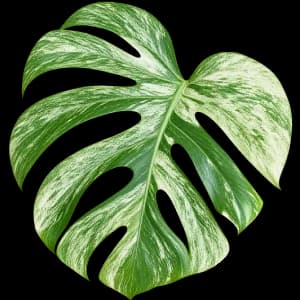
Monstera Mint is a variegated form of Monstera deliciosa admired for its soft mint-green coloration across deep green foliage. Rather than creating the strong contrast associated with white variegation, Mint has a softer and more natural appearance, with pale green, silvery-green, and subtle cream tones blending across the leaf surface. These gentle transitions can give each new leaf its own distinctive pattern.
Monstera Mint
The defining feature of Monstera Mint is the way its coloration develops across the leaf. Mint areas may appear as marbling, splashes, or soft patches between darker green tissue. Some plants display fine pale-green veining across the leaf, while others develop broader areas of mint coloration.
The name “Mint” is used relatively broadly in the plant trade, so the exact appearance can vary between plants and sources. When evaluating a Mint Monstera, it is better to look at several leaves, the stem, growth points, and provenance rather than judging the plant from a single attractive leaf.
Mature Monstera Mint Leaves
Monstera Mint retains the familiar characteristics of Monstera deliciosa. Young leaves tend to begin with simpler shapes before developing the splits and fenestrations associated with mature Monstera foliage. Large leaves combining deep green areas with pale mint sections can create an appearance that is striking without feeling overly high-contrast.
One of the most interesting aspects of growing Mint is that no two leaves necessarily look the same. One new leaf may lean heavily toward green, while the next may reveal considerably more mint coloration. This changing pattern is part of the appeal of variegated Monstera.
Light Requirements
Bright, indirect light is ideal for helping Monstera Mint grow strongly and express its coloration. Insufficient light can slow growth and may make the variegation less pronounced. A position near a window with filtered natural light is often a good choice.
However, bright light does not mean exposing the plant to intense direct sunlight all day. Areas of the leaf with less pigment can be more sensitive to harsh sunlight and may scorch more easily. The goal is to provide enough light for healthy growth while protecting the foliage.
Soil and Growing Medium
Monstera Mint benefits from an airy, well-draining growing medium. Its roots need moisture, but they also need access to oxygen. A chunky mix incorporating materials such as orchid bark and perlite can help prevent the growing medium from becoming compacted or remaining wet for too long.
A container with drainage holes is equally important. Allowing excess water to escape makes it easier to manage moisture levels and reduces the risk of root-related problems.
Watering Monstera Mint
Mint prefers moderate moisture but should not remain waterlogged. Instead of watering according to a fixed schedule, check the upper layer of the growing medium before watering. Once it has dried sufficiently, water thoroughly so that moisture reaches the root ball and excess water drains from the bottom.
After watering, do not allow the plant to sit in standing water. Keeping the roots constantly saturated can reduce oxygen availability around the root system and increase the risk of root rot.
Humidity and Growing Environment
As a tropical Monstera, Mint generally performs well in warm conditions with relatively stable humidity. Very dry air can cause the edges and tips of the leaves to become dry, while an overly stagnant environment can also create less-than-ideal growing conditions.
When grown indoors, place the plant somewhere bright and well ventilated, away from direct airflow from air conditioners or heaters. A stable environment is generally more beneficial than trying to create extremely high humidity for short periods.
Keeping Mint Leaves Looking Their Best
The soft mint coloration is one of the plant's main attractions, so keeping the leaves clean allows the colors and structure to stand out. A soft, slightly damp cloth can be used to gently remove dust from the leaf surface.
It is also worth checking the underside of the leaves and around the petioles regularly. These areas are easy to overlook when inspecting for pests. Regular observation also makes it easier to notice changes in leaf color, texture, or overall condition.
When Should You Repot?
Consider repotting when the root system has outgrown its current container or the plant begins to show signs of becoming root-bound. Avoid choosing a dramatically larger pot, as excess growing medium can retain moisture for too long and make watering more difficult to manage.
A moderately larger container combined with an airy growing medium gives the roots additional space while maintaining good drainage.
Common Problems
Yellow leaves, wilting, or brown leaf tips should all be considered in the context of the plant's overall growing conditions. Before changing the watering schedule or moving the plant, check the available light, moisture level of the growing medium, and condition of the roots.
With variegated plants, it is also important not to judge the plant's health or identity from a single leaf. Patterns can change between leaves, and the amount of mint coloration can vary significantly from one plant to another.
Monstera Mint – Soft, Subtle, and Never Quite the Same
Monstera Mint does not rely on dramatic contrast to make an impression. Its appeal comes from the subtle transition between deep green and pale mint tones. Each leaf can develop a different pattern, from delicate veins and fine marbling to broader areas of pale coloration, making every new leaf something to look forward to.
That changing character is part of what makes Mint so fascinating. The more closely you look, the more shades and details you notice across the same leaf. Combined with the iconic foliage of Monstera deliciosa, its soft mint coloration gives the plant a refined, natural, and almost artistic quality that makes it particularly appealing to collectors and plant lovers.
Reviews
No reviews yet. Be the first to share your experience.